
Expand it with the system that lets you create 100% custom palettes with precision.
As a color consultant, you’ve probably experienced this before. A client sits down in front of you, and you begin her color analysis. You know your system inside and out. You know what to look for — and then this happens:
Most of the colors in a particular seasonal palette work, but several don’t.
Your client’s coloring has characteristics that seem to cross categories. And while one shade appears wonderful on her, it isn’t where your current system tells you it should be.
If you’ve experienced this, it may not mean that your original color training has failed you. In fact, it may mean the opposite.
It means you’re ready to see more.
When your seasonal palettes stop giving you enough choices for the clients in front of you, the answer isn’t a different set of boxes — it’s individualized color analysis.
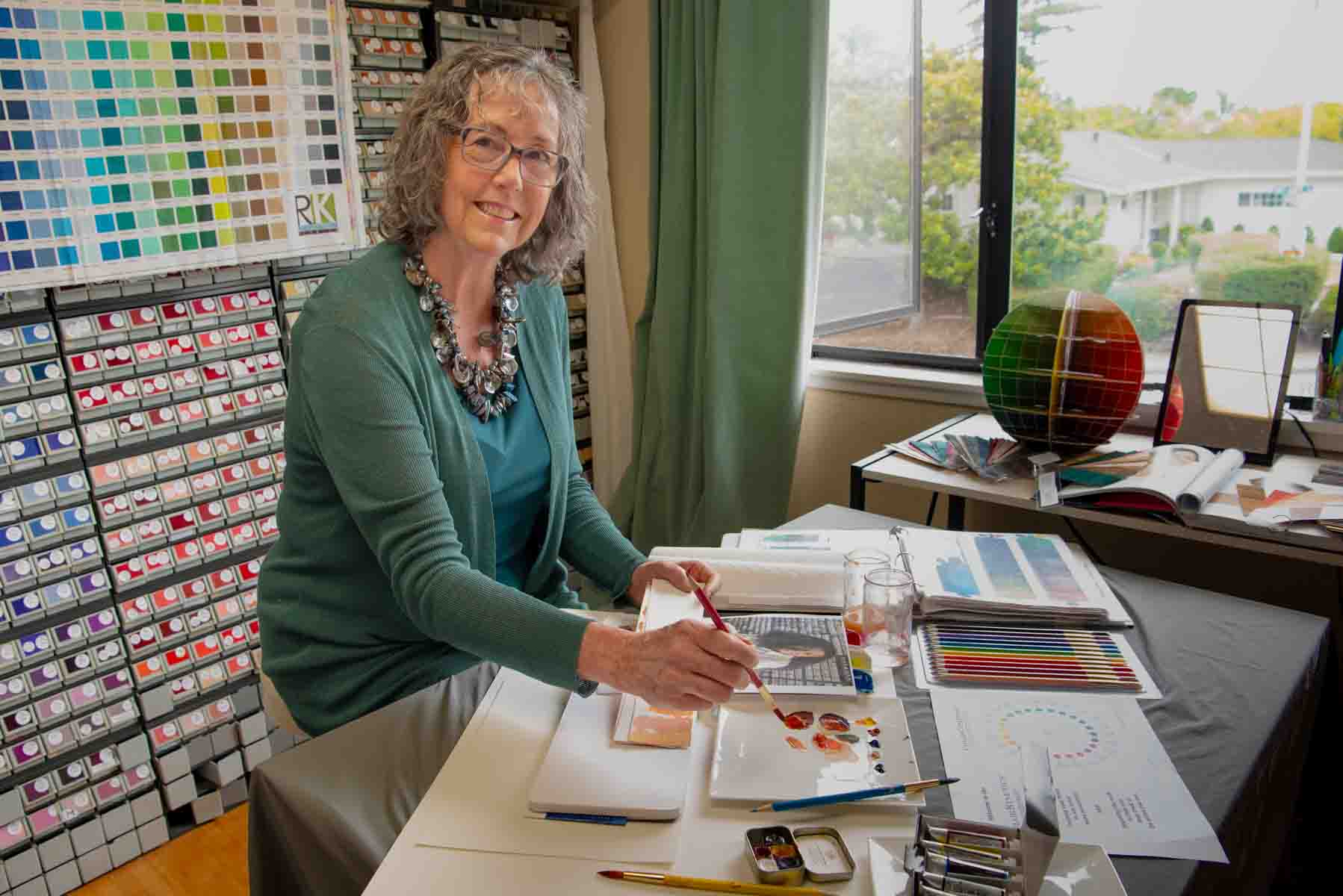
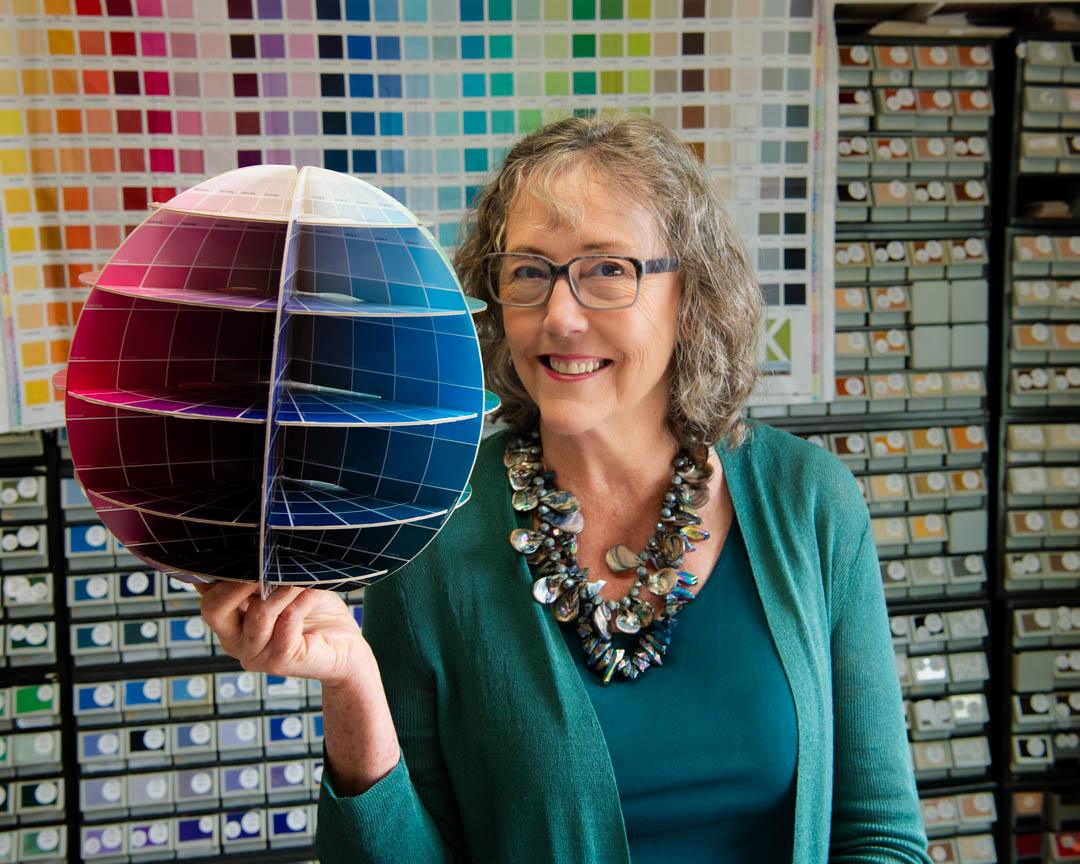
That’s what I teach at ColorINSIGHT through the ColorPROFILE™ system: 450 fabric paddles, Suzanne Caygill’s 24 Seasonal Subtypes, and five days of supervised practice with live models. I’m Mary Lou Manlove, professional color consulting trainer and president of Color Designers International — I’ve been creating individualized color palettes for clients in the San Francisco Bay Area since 1999.
What Happens When Your Eye Outgrows Your Color System?
Learning a personal color analysis system gives you something incredibly valuable: a framework. It teaches you what to look for, gives you helpful terminology, and introduces relationships between colors and people that you may never have consciously noticed before.
However, the more people you analyze, the more subtle differences you begin to see.
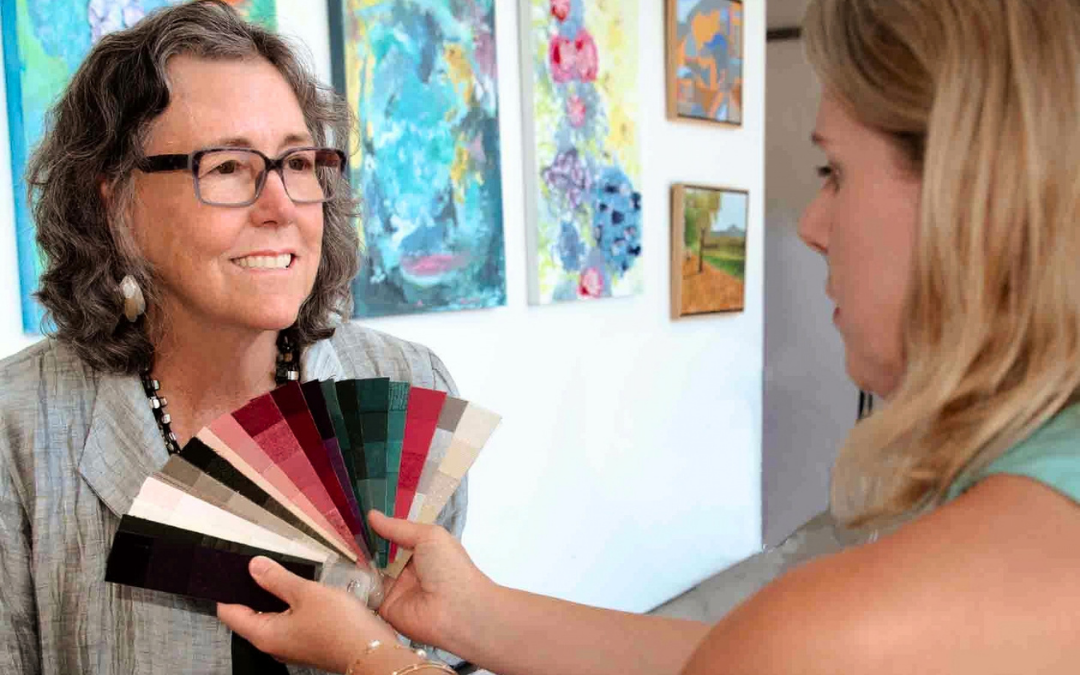
Two clients may appear to belong to the same general season, yet the colors that make each of them come alive aren’t necessarily identical. One may need colors that are slightly softer. Another may need more depth. One may seem to sit somewhere between the choices your system provides.
That’s when you realize you may have outgrown your color system. Fortunately, there’s a solution.
Why Learn Advanced Personal Color Analysis from Mary Lou Manlove?
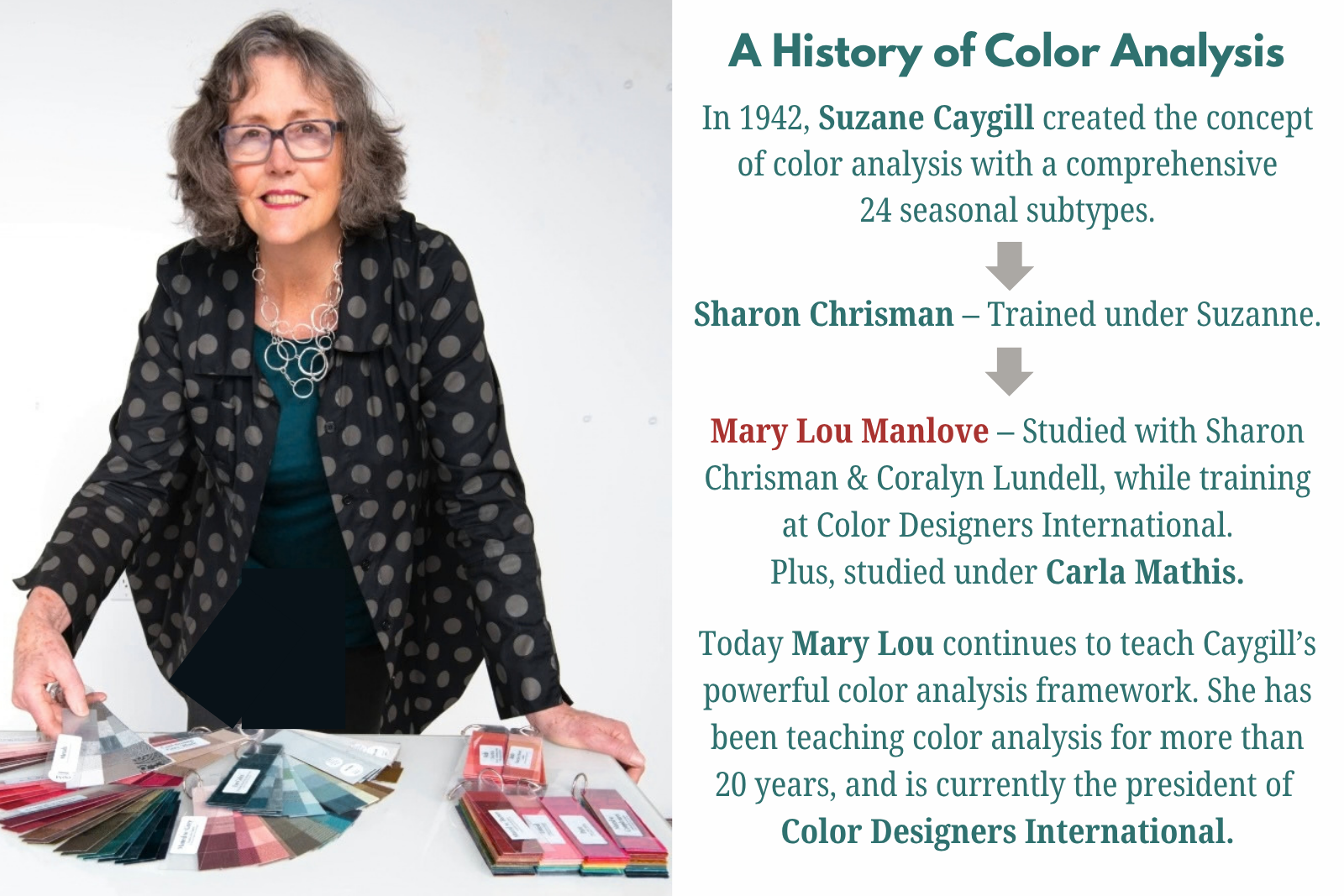
I learned this method from Sharon Chrisman, who studied with Suzanne Caygill directly and assisted her in her work. That puts my training two steps from the source.
I graduated from the Color Designers International Color Designer Program in 2001, studying with Sharon Chrisman and Coralyn Lundell, and had trained earlier with image authority Carla Mathis of ColorStyle and Body Beautiful. I’ve helped clients develop their personal color and style since 1999, served as co-owner and instructor at Image and Color Institute International from 2013 to 2018, and today I serve as president of Color Designers International — the professional organization responsible for carrying the Caygill method forward intact.
So when I teach you the 24 Seasonal Subtypes, I’m not teaching you something I read in a book. I’m handing you something that was handed to me, along with more than two decades of my own practice deciding what holds up in front of a real client and what doesn’t.
That combination — the original lineage plus the structured ColorPROFILE™ system and hands-on palette practice — is what you’ll work with at ColorINSIGHT.
Are Pre-Selected Color Palettes Too Limited?
Well, that really depends on you.
Seasonal palettes, color flags, fans and other pre-selected tools can be extremely useful. For many consultants, they provide the structure that makes learning personal color analysis possible in the first place.
The question isn’t whether those tools are “right” or “wrong.”
A better question is: Do they give you enough choices for the kind of color work you want to do now?
Just think about the people you’ve worked with. When you consider a palette that will include their hair color, eye color, skin tone, and personality, it makes sense that their palettes are completely individual—a truer reflection of themselves.
And the differences run deeper than coloring alone. People with seemingly similar coloring can have varying levels of contrast, intensity, depth, and color quality.
What Is Individualized Color Analysis?
Individualized color analysis begins with the person rather than with a category.
Instead of asking only, “Which palette does this person belong to?” you can begin asking more detailed questions:
- What colors are already present in this person’s hair, skin and eyes?
- What is happening when I put this color next to her?
- Does she need a color that is Pure, Tinted, Shaded or Toned
- What is her best white?
- What happens with red?
- Which metals harmonize with her coloring?
- How much depth can she carry?
- How can I take everything I’m seeing and translate it into a palette that feels like her?
Those questions require more than memorizing colors—they require learning to observe color relationships.
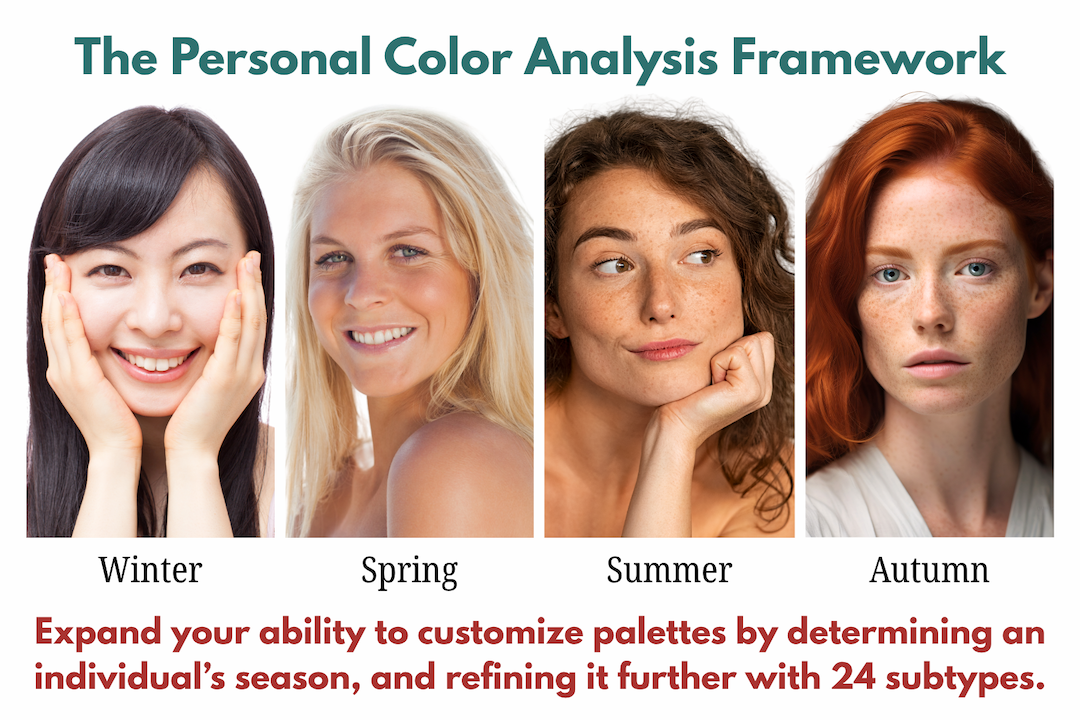
Why do we identify someone’s colors as a season?
A season is shorthand for a harmony. Each one names a set of relationships nature has already proven: Spring’s clear warmth, Summer’s cooled softness, Autumn’s muted richness, Winter’s high contrast. Naming a client’s season names which of those harmonies her own coloring echoes.
But the real value arrives after the palette is built. The palette tells you what colors belong to her. The season tells you how she wears them—in what combinations, what materials, what fabric weight, what structure and what pattern.
What is Suzanne Caygill’s contribution to color analysis?
Suzanne Caygill (1911–1994) was a milliner and designer who originated the concept of individualized color analysis in 1942. Rather than assigning everyone in a season the same fixed palette, she studied the pigments found in each person’s skin, hair and eyes and related them to the harmonies, textures and forms found in nature.
Color Designers International, which describes her as the founder of color analysis, records that she worked with 64 distinct personality types while still creating a unique palette for each person.
“Suzanne’s palettes and related theories gave her clients an inner sense of congruence. Clothing colors matched or complemented hair, skin, and eyes. Fabric choices reflected skin and hair texture and patterns. Design details repeated the angles and curves of the face and body. They just felt right.”
— Woolpert, Rose Ann. “Personal Colors: Suzanne Caygill, the Original Seasonal Color Analyst” Expected year 2027.
Congruence is the word I’d underline there, because it’s what I’m teaching you to produce. A seasonal name can guide how colors are used without replacing the need for a fully individualized palette — and knowing the difference between the two is the shift that separates a consultant following a system from a consultant exercising judgment.
In other words, individualized seasonal color analysis is not simply about labeling a client. It is a professional framework for translating a client’s natural coloring, texture, contrast and design characteristics into practical decisions about clothing, accessories, fabrics, patterns and personal style.
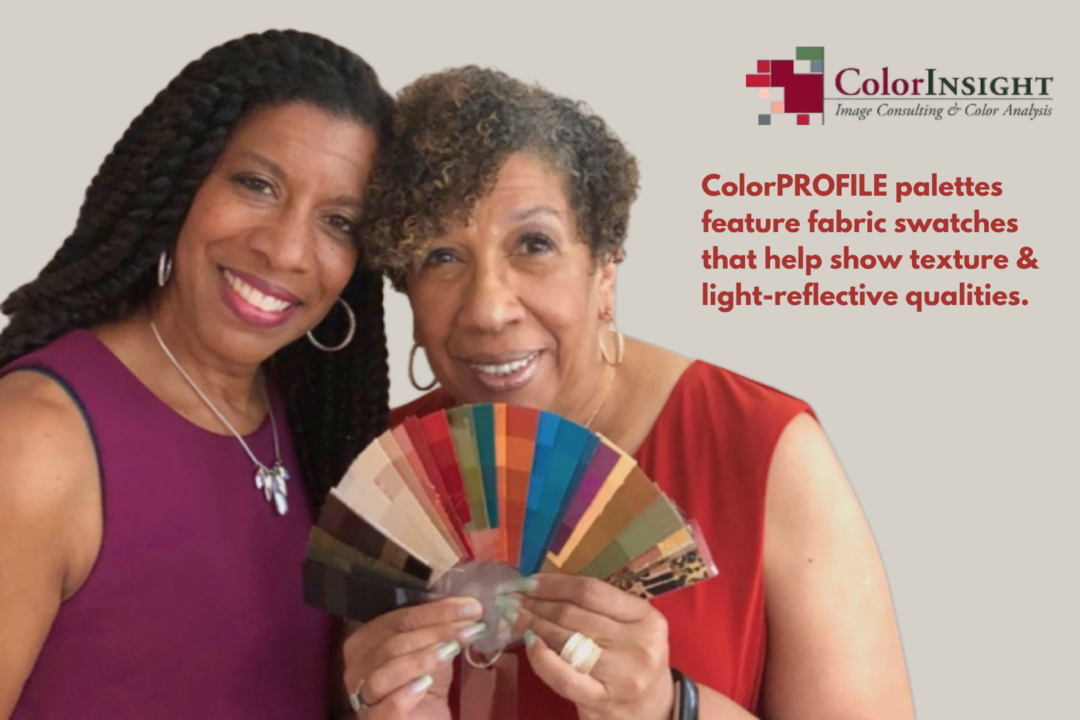
What If Your Client Doesn’t Fit Neatly into a Seasonal Palette?
First, don’t assume you’ve done something wrong. Seasonal analysis gives us an important language for understanding color, but there can be considerable variation within a season.
Suzanne Caygill recognized this nuance. Rather than stopping with Spring, Summer, Autumn and Winter, her philosophy explored 24 Seasonal Subtypes and more. I introduce you to the 24 Seasonal Subtypes in training, but the combinations are as big as your imagination. You are training to become your own artist in the personal color field.
During the ColorPROFILE™ 5-Day Personal Color Analysis Intensive, we explore the characteristics of the Classic Seasons and Caygill’s 24 Seasonal Subtypes in much greater depth.
The goal is to teach you to observe the individual person sitting in front of you and use what you see to guide the colors you select.
That’s where the Color Assessment Tool™ — the CAT™ — comes into the process.
Explore the ColorPROFILE 5-Day Intensive
Our System Lets You Start with the Colors That Are Already There
With our color analysis method, we aren’t starting with a blank canvas. Your client is already giving you clues through the color of her hair, skin, and eyes.
In the ColorPROFILE training series—specifically, our workshop on how to use the CAT™ Color Assessment Tool—you’ll learn how to identify those inherent personal colors as well as the client’s best white, red and metal colors.
We then look at Color Quality—Pure, Tinted, Shaded and Toned.
These observations will help you form the foundation for an individualized palette.
Instead of trying to make the client fit the palette, you are gathering information from the client to help create the palette.
And that’s a more powerful—and more customizable—experience.
Learn About the CAT Color Assessment Tool
What Does a More Flexible Color System Give a Consultant?
More colors aren’t valuable simply because there are more of them. They’re valuable because they give your trained eye more choices.
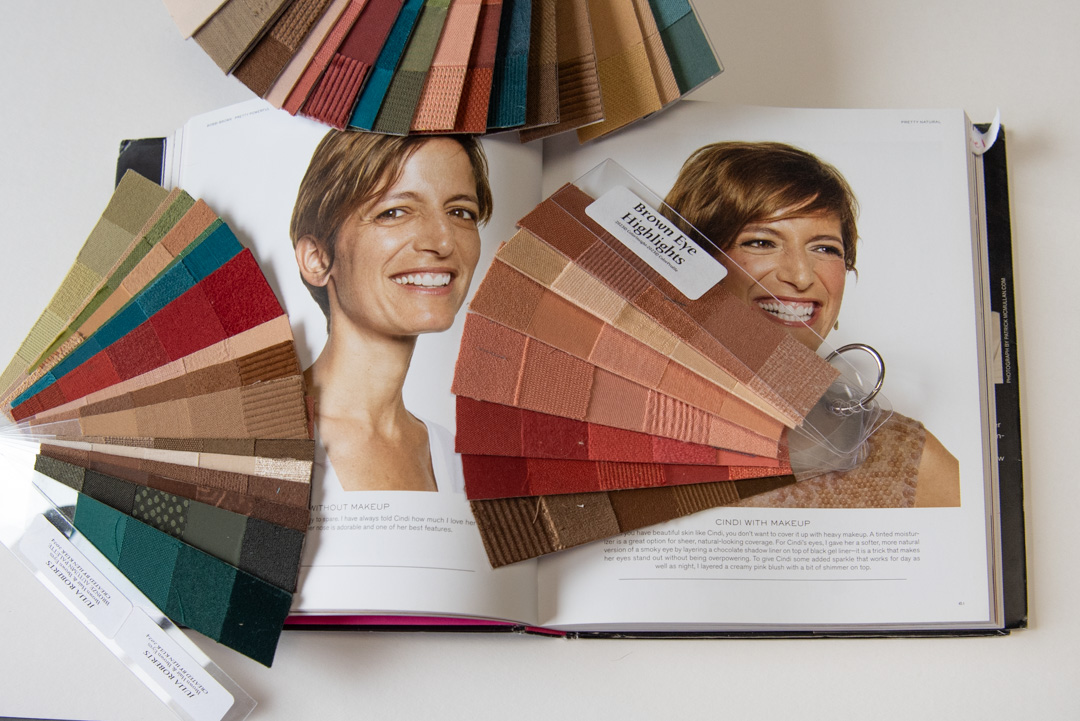
The ColorPROFILE™ Master System used in our 5-Day Intensive includes the Color Assessment Tool with 225 paddles containing five fabric swatches each, plus another 225 paddles that allow you to fine-tune your recommendations. That’s 450 paddles you can draw on to create individualized palettes.
But the tools are only the beginning. You’ll also learn how to use them.
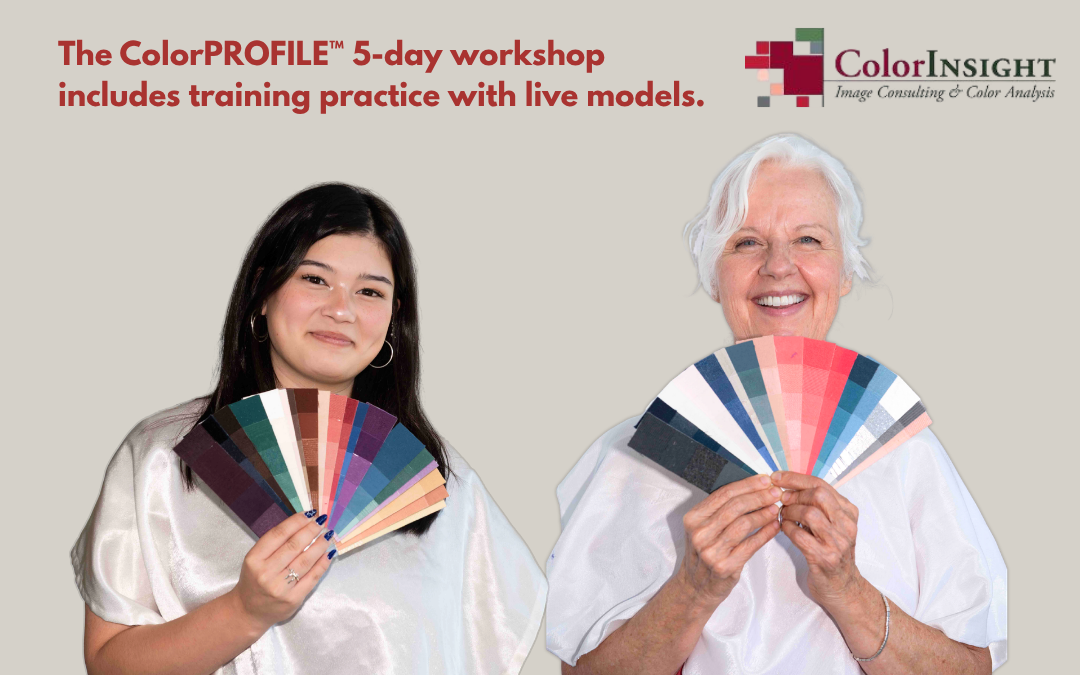
You’ll Learn Color Analysis by Actually Practicing It
You can read about color…look at color wheels…study seasons…and watch someone else perform an analysis. But there’s a point where you must sit in front of a real person and make decisions.
That’s why hands-on practice is such an important part of ColorPROFILE’s advanced color analysis training.
During the ColorPROFILE Intensive, students move from instruction and demonstrations into supervised palette creation and guided personal color analysis practice with live models.
By making your selections, comparing colors, and asking questions, you’re not simply following instructions anymore.
You’re developing your eye even futher. And that’s the ultimate skill you take home with you.
Do Experienced Color Consultants Need More Training?
You may have a system you like and clients who love what you do. Advanced training doesn’t have to mean throwing any of that away.
It can simply mean adding another layer of knowledge. More tools. More choices. And more confidence when the obvious answer isn’t quite right.
When You Can See More, You Need a System That Lets You Do More
There’s an “aha” moment in learning color when you stop simply seeing “blue” and begin seeing which blue. Is it clearer? Softer? Deeper? Lighter? Warmer? Cooler?
Then you begin seeing how that particular blue changes when it meets the individual coloring of the person sitting in front of you.
That’s when color becomes much more than a set of rules — it becomes a language. Teaching consultants to hear that language is the part of this work I love most.
The goal of advanced color training isn’t to give you more rules to memorize. It’s to give you the knowledge, tools and practice that let you make increasingly thoughtful color decisions for real people.
Ready to Take Your Color Skills to the Next Level?
If you’ve begun to feel that your current color system doesn’t always give you enough choices, I’d love to introduce you to ColorPROFILE™.
Our small-group ColorPROFILE™ Personal Color Analysis 5-Day Intensive Workshop combines advanced color education with hands-on experience using the ColorPROFILE system, the CAT™ Color Assessment Tool and Suzanne Caygill’s 24 Seasonal Subtypes.
You’ll learn, observe, practice and create individualized palettes with guidance along the way.
Upcoming In-Person Personal Color Consultant Training
Dates: September 27–October 5, 2026
Location: Color Insight Teaching Studio
1515 South Claremont St.,
San Mateo, California 94402
Date: Late October
Location: Evanston, IL. (Chicago Area)
Explore the ColorPROFILE 5-Day Intensive
Want to find out whether ColorPROFILE is the right next step for you?
Call me at (65) 400-2230 for a complimentary consultation, and talk about where you are in your color journey.
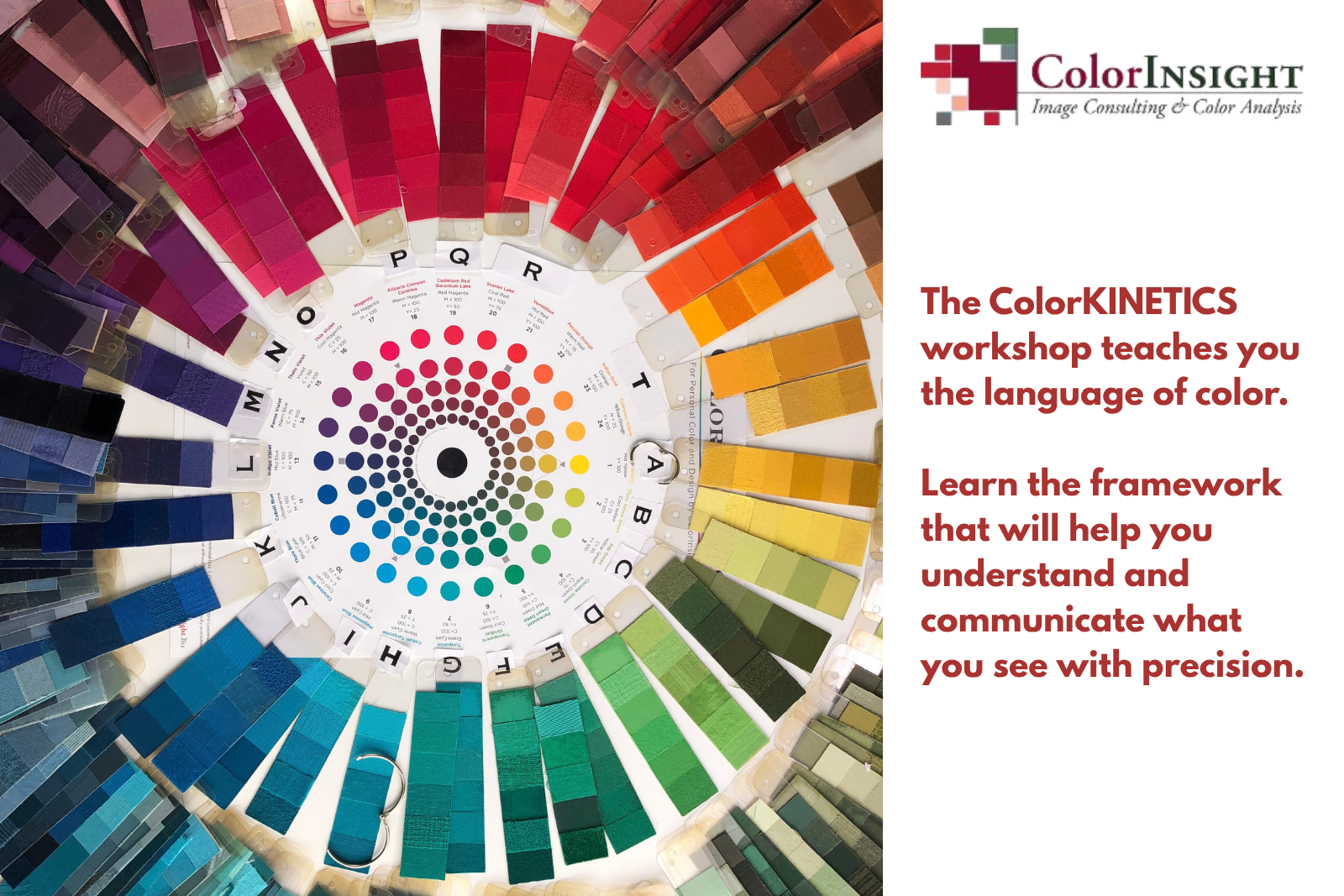
Love Color But Just Getting Started?
You don’t need to already be a professional color consultant to begin developing your color skills.
ColorKINETICS© is our foundational workshop for beginners and professionals who want to better understand how color is created and perceived, strengthen their color memory and build the skills needed to move into more advanced ColorPROFILE training.
Frequently Asked Questions
What is advanced color analysis?
Advanced personal color analysis goes beyond identifying a broad color category and develops a deeper understanding of the individual client’s coloring, color quality and the relationships between colors. The goal is to make increasingly individualized color recommendations rather than relying solely on a pre-selected palette.
Who teaches the ColorPROFILE 5-Day Personal Color Analysis Intensive?
The Intensive is led by Mary Lou Manlove, CDI, president of Color Designers International and a color specialist, image consultant and educator working with clients since 1999. She graduated from the Color Designers International Color Designer Program in 2001 and trained with Sharon Chrisman, who studied with and assisted Suzanne Caygill directly, as well as Coralyn Lundell and Carla Mathis.
Where is the ColorPROFILE training held?
In person at the Color Insight Teaching Studio, 1515 South Claremont St., San Mateo, California, in the San Francisco Bay Area, with additional sessions offered in other locations. The next Chicago-area session is scheduled for Evanston, Illinois in late October 2026.
What is the Suzanne Caygill method?
Suzanne Caygill (1911–1994) originated individualized color analysis in 1942. Rather than assigning everyone within a season the same fixed palette, she studied the pigments in each person’s skin, hair and eyes and connected them to harmonies, textures, design lines and personality found in nature. Her approach includes 24 Seasonal Subtypes and produces a unique palette for every client.
What is the CAT™ Color Assessment Tool?
The CAT™ is the fabric assessment system used in ColorPROFILE™ training. It comprises 225 paddles of five fabric swatches each, plus a further 225 fine-tuning paddles — 450 in total — used to identify a client’s inherent personal colors, best white, best red, best metals and color quality.
Do I have to give up the color system I already use?
No. Learning another approach to color can expand the skills and tools you already have. ColorPROFILE™ gives experienced consultants additional ways to evaluate color and create individualized palettes without suggesting that their previous training was wasted.
Why might two people in the same season need different colors?
A seasonal designation describes broad color relationships, but individuals within a season can still differ in their hair, skin, eyes, depth, contrast and color quality. Looking more closely at those characteristics allows a consultant to refine the palette for the individual.
What happens during the ColorPROFILE 5-Day Intensive?
Students receive in-depth instruction in the ColorPROFILE™ system, the CAT™ Color Assessment Tool and Caygill’s 24 Seasonal Subtypes, along with demonstrations, Q&A, palette creation, guided practice with live models, and homework review.
I’m new to color analysis. Where should I begin?
If you haven’t yet developed a foundation in color, ColorKINETICS© is designed to help beginners and professionals understand how color works, strengthen color memory, and prepare for more advanced color training.
About the Author
Mary Lou Manlove, CDI, is a personal color analyst, image consultant and educator based in the San Francisco Bay Area. She is president of Color Designers International and the founder of ColorINSIGHT, where she teaches the ColorPROFILE™ Personal Color Analysis Intensive and the ColorKINETICS© foundational workshop. She has worked with clients on personal color and style since 1999 and trained under Sharon Chrisman, a direct student and assistant of Suzanne Caygill.
Color Studio:
3748 Bret Harte Drive, Redwood City, CA 94061
Teaching Studio:
1515 South Claremont St., San Mateo, CA 94402
(650) 400-2230 | marylou@colorinsight.biz